More brands from


Light Space



- New products
- Outdoor
- Controllers
More brands from




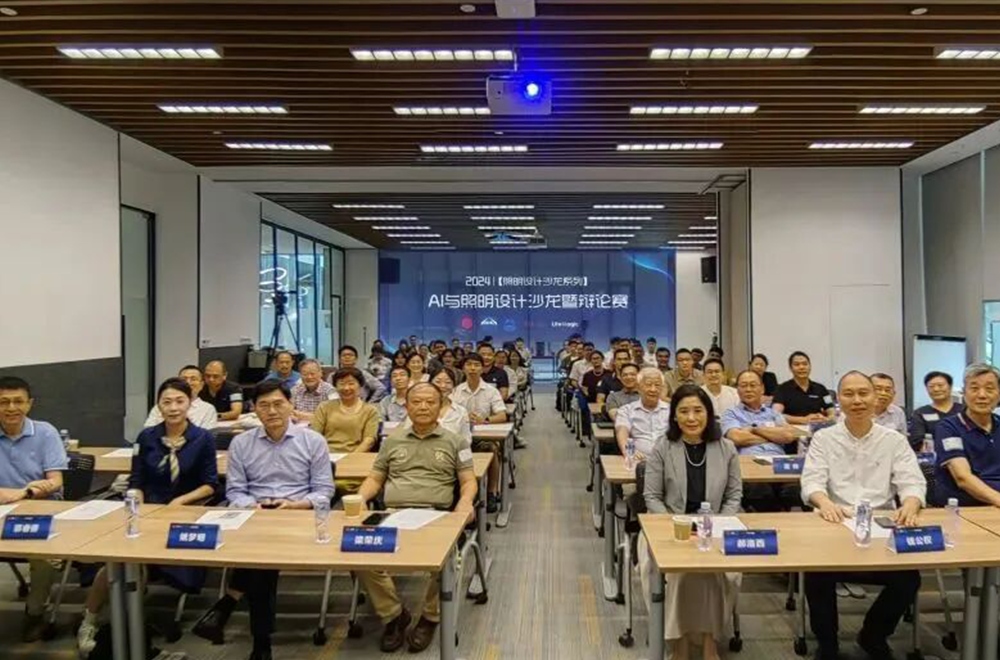
The event brought together industry experts in artificial intelligence, university professors and seasoned lighting designers to discuss and share insights on AIGC human-machine collaboration and AI-assisted lighting technologies. Over 80 attendees were invited to the salon, including experts and scholars from the Shanghai Lighting Society and the Shanghai Lighting Appliance Industry Association, as well as lighting designers and executives from lighting companies in Shanghai. Mr Wang Zhengtao, Secretary-General of the Beijing Lighting Society, participated in the conference as a special guest.
Keynote topics presented at the event:
Topic 1: The New Era of AIGC Human-Machine Collaboration
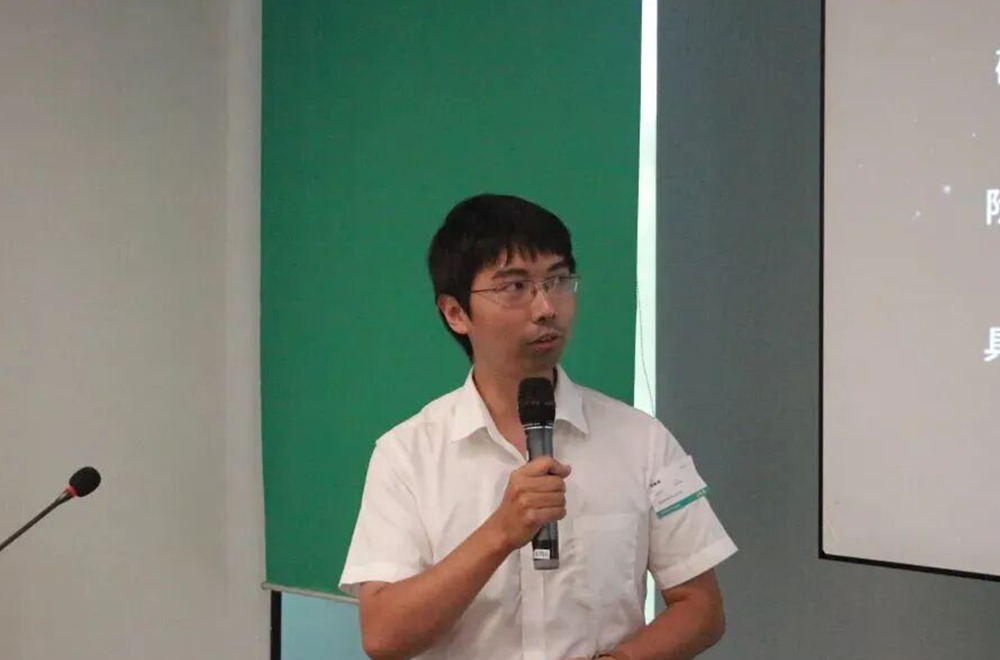
▲ Li Sicheng: Secretary-General of the Shanghai Artificial Intelligence and Metaverse Design Specialised Committee; Technical Director of the Future Design Research Centre at Hui Design
AIGC (Artificial Intelligence Generated Content) technology enables the innovative generation of multimodal content through the in-depth analysis of human big data. Since the advent of ChatGPT, it has profoundly transformed the creative design sector, ushering in a new chapter in human-machine collaboration. Whether in text, imagery or 3D visual spaces, cutting-edge AIGC applications are significantly enhancing creative capabilities and expanding the boundless possibilities within industries such as lighting design.
Presentation Topic 2: Smart Lighting Illumination and Visualisation Applications Based on Spectral Technology
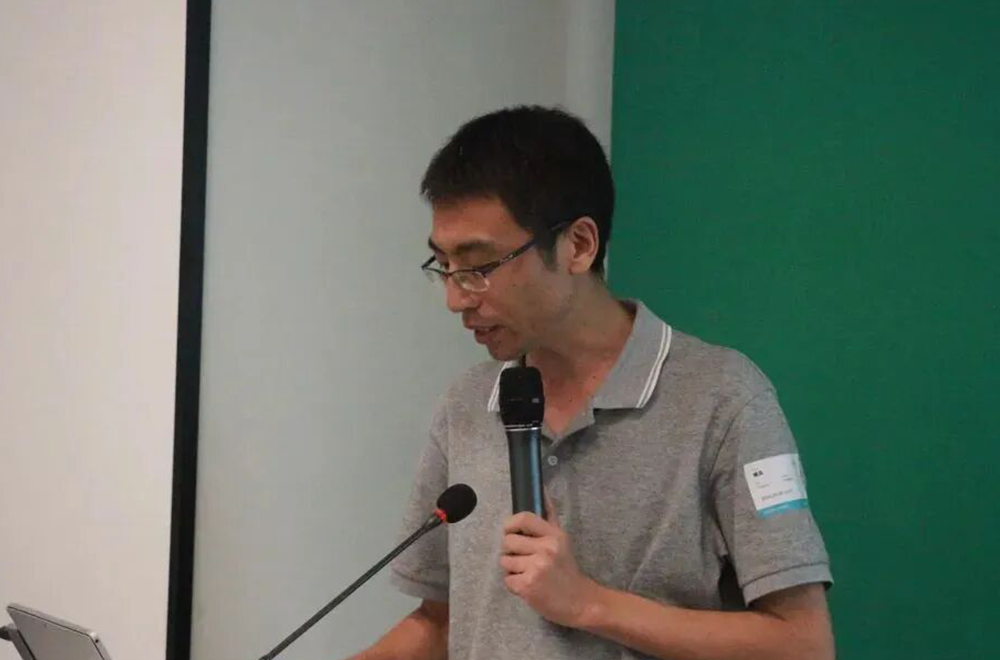
▲Yao Qi: Associate Researcher and PhD Supervisor, Beyond Lighting Research Institute, Fudan University Engineering Research Institute
He shared his team’s research findings on multispectral technology across various fields, including urban lighting, light pollution, light health and automotive lighting. He also presented a proprietary imaging brightness app based on a smartphone camera, capable of measuring the surface brightness of buildings or spaces, as well as assessing light health, light pollution and energy consumption. The app achieves an accuracy of 80–95% across different application scenarios.
Keynote Topic 3: Smart Lighting Requirements, Current Research Status and Future Prospects in Museums
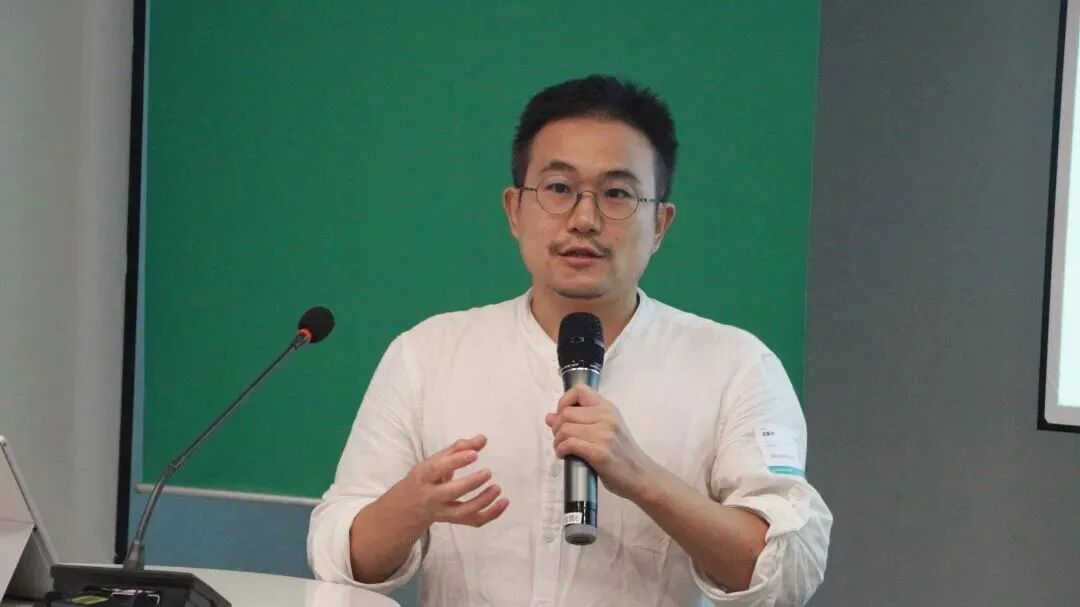
▲Yao Qi: Associate Researcher/PhD Supervisor, Transcend Lighting Research Institute, Institute of Industrial Research, Fudan University
He shared the latest research findings of his team (the Health and Smart Lighting Environment Laboratory) in the field of smart lighting—precision dimming technology based on accurate feedback of lighting environment parameters, along with its adaptive technology. This technology enables personalised and customised indoor light distribution to meet user requirements; it can adapt and self-calibrate under various spatial and environmental conditions, ensuring precision and stability; consequently, it is suitable for a wide range of applications.Building on this technology, Professor Chen Yaodong outlined the current needs and status of smart lighting in museums, and analysed the prospects for its application within museum spaces.
Presentation Topic 4: Long-Distance Power Supply Applications for 48V Luminaires in Super-High-Rise Buildings
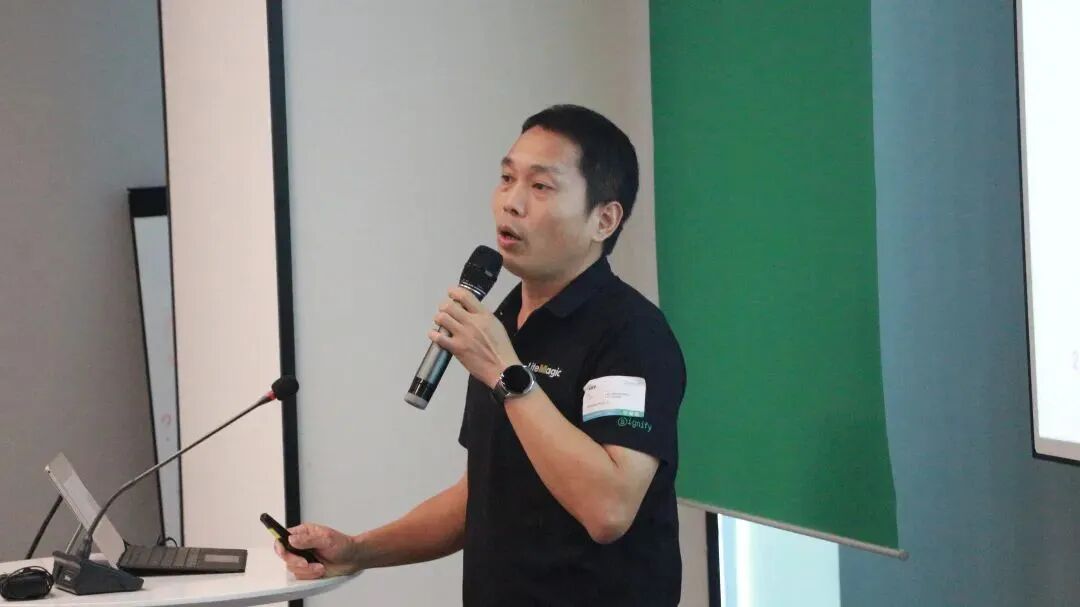
▲ Hou Qiuhua: Product Application Manager, Shenzhen Leifei Lighting Technology Co., Ltd.
Lighting fixtures for the curtain walls of super-high-rise buildings utilise a 48V DC power supply. This system offers long-distance power transmission and high load-carrying capacity, effectively reducing the number of circuits and the quantity of external wall piping. It also minimises the impact on curtain wall loads and the space required for installations. A clear, standardised cabling scheme enhances design and construction efficiency whilst reducing both construction and operational maintenance costs.
Presentation Topic 5: Applications and Considerations of AI-Assisted Lighting Design
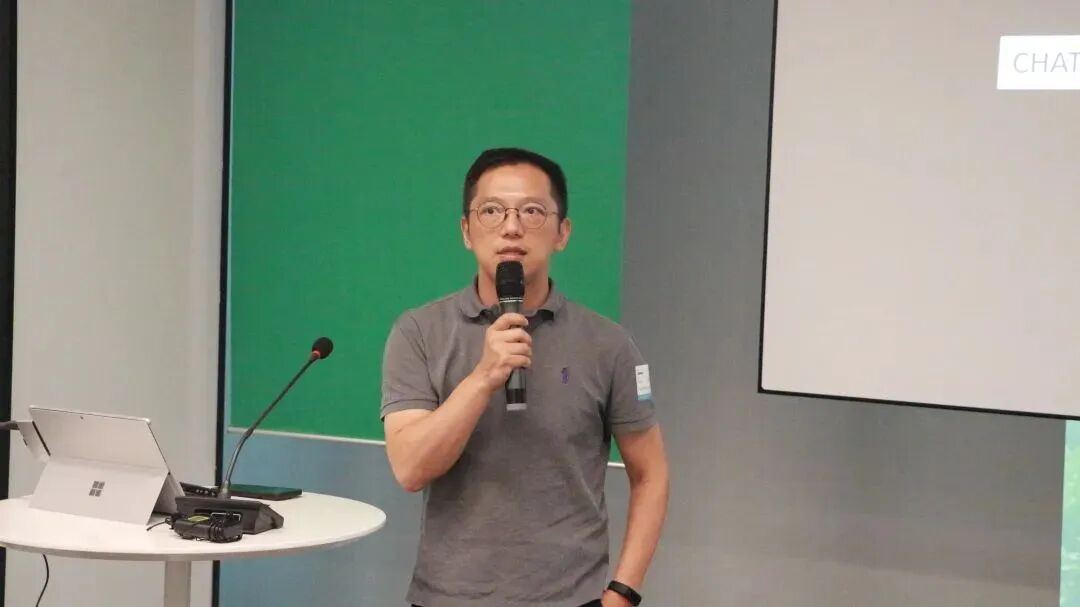
▲Hu Guojian: Deputy Director of the Lighting Design Specialised Committee, Shanghai Lighting Society; Design Director, RDI International Lighting
Dr Hu shared insights into AIGC tools of interest to lighting designers, such as Stable Diffusion and Midjourney, discussing their potential applications at various stages of lighting design. He also touched upon other AI technologies, such as computer vision and deep learning, presenting relevant case studies and artists within the fields of smart lighting control and new media technology.
Following the guest presentations, after a brief interval, the event proceeded to an engaging debate on topics related to AI and lighting design. The debate featured two motions, with Wang Jun—Director of the Lighting Design Specialised Committee of the Shanghai Lighting Society, Deputy Director and Secretary-General of the Industry-Academia-Research Integration Specialised Committee of the Shanghai Lighting Appliance Industry Association, and General Manager of Shanghai Meso Lighting Design Consulting Co., Ltd.—and Wang Jianping—Secretary-General of the Lighting Design Specialised Committee of the Shanghai Lighting Society and General Manager of Shanghai Aite Lighting Design Co., Ltd.—serving as moderators.
The two debate topics and the composition of the debating teams are as follows:
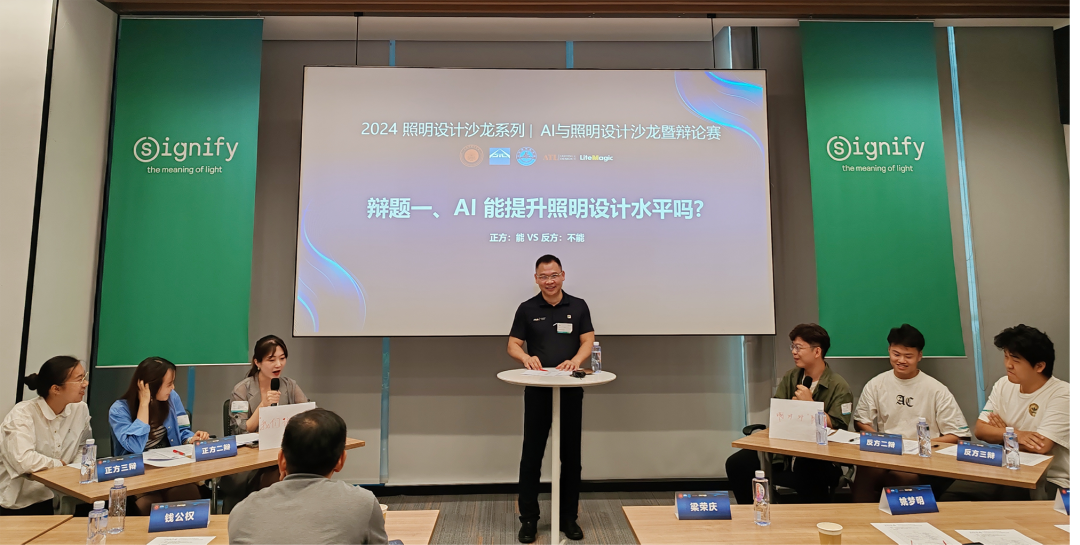
1. [Can AI enhance the standard of lighting design?]
Pro-side debaters:
Ma Ning, Deputy Secretary-General of the Industry-Academia-Research Integration Committee of the Shanghai Lighting Appliance Industry Association / Deputy Design Director of Shanghai Meso Lighting Design Consulting Co., Ltd.
Zheng Ying, Designer, Shanghai Aite Lighting Design Co., Ltd.
Xia Yang'an, Designer, RDI Rui International Lighting Design
Opposing debaters:
Dai Zhenyu, Postgraduate Student, Fudan University
Ye Qianwang, Postgraduate Student, Fudan University
Yan Yukun, Postgraduate, Fudan University
2. [Will the use of AI replace the work of lighting designers?]
Speaker for the Affirmative:
Wang Junhan, Designer, Shanghai Fudan Planning and Architectural Design Institute
Qu Xiejun, Design Manager, Shanghai Aite Lighting Design Co., Ltd.
Fan Jieqiong, Design Director, Shanghai Yongdian Lighting Co., Ltd.
Opposing debaters:
Cai Yezhen, Design Director, Umi Lighting Design (Shanghai) Co., Ltd.
Wang Dawei, General Manager, Shanghai Xialun Optoelectronic Technology Co., Ltd.
Xu Lingfang, Director of the Lighting Institute, Shanghai Jiao Tong University Design and Research Institute
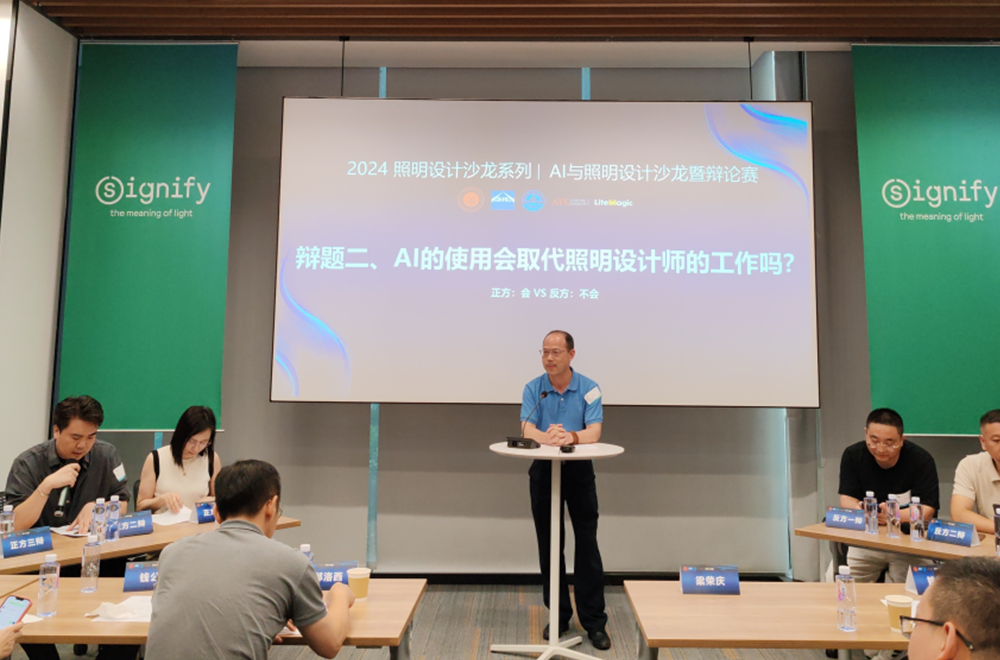
The debaters engaged in a brilliant debate on the topic, with sharp exchanges and witty remarks that drew repeated cheers from the audience. The following were ultimately selected: Best Debater: Yan Yukun; Best Debate Team: Dai Zhenyu, Ye Qianwang, Yan Yukun
During the event, Professor Hao Luoxi, Professor Guo Ruiqian, Secretary-General Wang Zhen Tao and Chairman Liang Rongqing delivered comments and speeches respectively, and presented awards to the winning debaters.
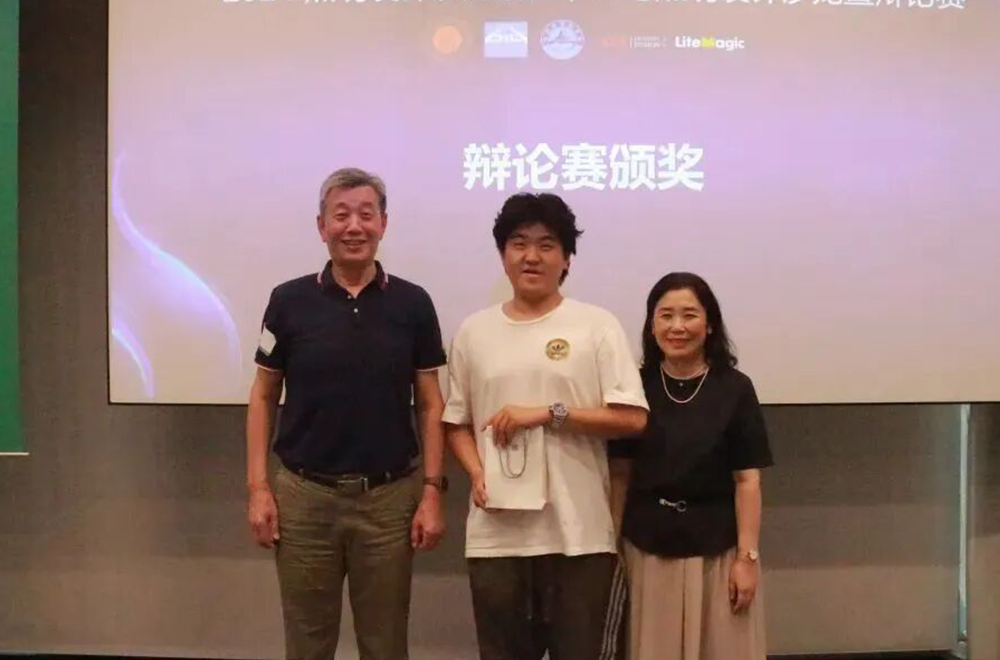
▲ Best Debater: Yan Yukun
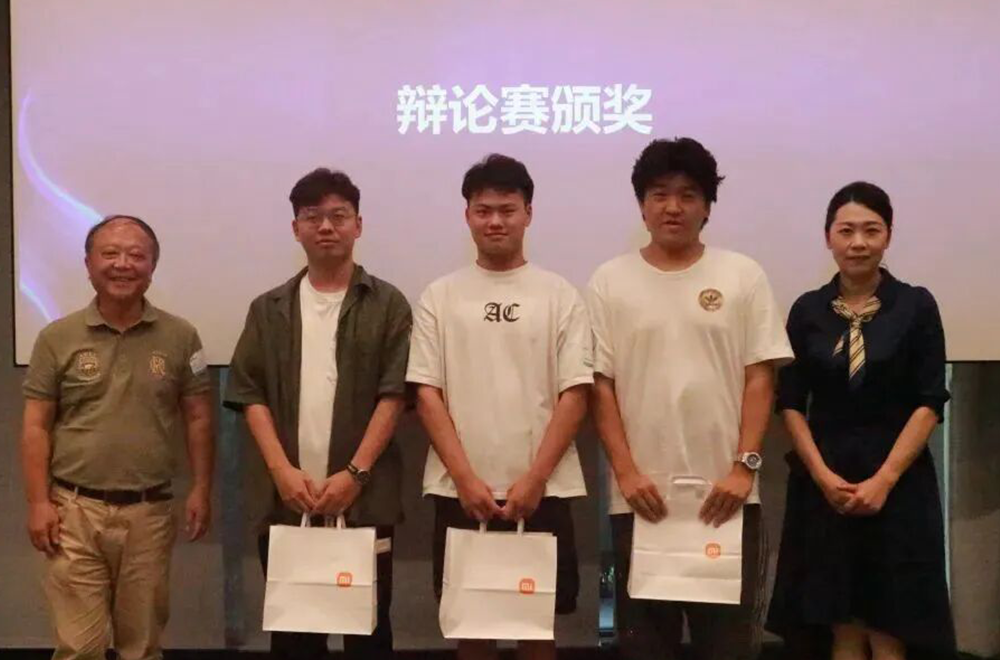
▲ Best Debating Team: Dai Zhenyu, Ye Qianwang, Yan Yukun
The successful staging of this event marks a new beginning. We believe, as Chairman Liang Rongqing stated in his closing remarks, that our lighting designers should proactively embrace and learn to utilise AI, as it will undoubtedly elevate the standard of our lighting design; we also believe that AI will never replace the creativity and unique thinking of our lighting designers!
Thanks to the active participation of all the guests and debaters who attended the event in person, the occasion was a resounding success.
 +86 755 2689 5492
Follow Us
©2018-2026 Shenzhen Leifei Lighting Technologies Co., Ltd., All Rights Reserved. 粤ICP备17108522号-1 粤ICP备17108522号-5 Employee OA entrance
LiteMagic 微信号

关注公众号了解更多资讯